Food Security as National Security
A Survey of Natural and Intentional Biological Threats to the U.S. Food Supply
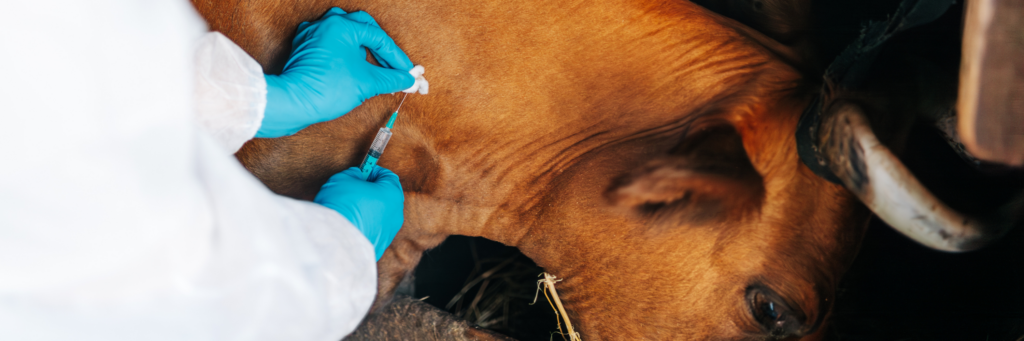
Agroterrorism was more fully incorporated into government reports and policy after the September 11 attacks, and research in this field has followed a relatively linear trajectory since then. The most prominent literature defines agroterrorism as the deliberate introduction of a pathogen against crops, livestock, or the food system to undermine socioeconomic stability, generate public fear, and create general disorder among the American public. However, this definition has become archaic.
Current frameworks describe the threat of agroterrorism in terms of naturally occurring and naturally acquired pathogens. Rapid changes in technology have introduced new threats, including two that are quickly becoming the two most pressing: the infusion of artificial intelligence into synthetic biology and the propagation of AI-fueled misinformation surrounding food security. The pace of technological advancement has left present agroterrorism literature woefully behind on these key topics.
Working for UVA’s National Security Data and Policy Institute as part of the National Security Policy Center’s 2026 Summer Internship, a team of UVA students synthesized the literature on natural and intentional biological threats to the U.S. food supply with the impact of emerging technologies in mind. Their work outlines the landscape of food security research in the U.S. today, examining the current methods for distinguishing natural, accidental, and deliberate outbreaks, policy implications, and directions for future research.
Research Products
Backgrounder Memo
MEMORANDUM FOR NSDPI RESEARCHERS ON FOOD SECURITY AND AGROTERRORISM IN U.S. NATIONAL SECURITY
Literature Review
Food Security as National Security: A Survey of Natural and Intentional Biological Threats to the U.S. Food Supply
Presentation Slide Deck
Food Security as National Security: A Survey of Natural and Intentional Biological Threats to the U.S. Food Supply
Student Researchers
 Charlier Burns
Charles Burns is a NSPC 2026 summer intern and a graduate student at the University of Virginia, where he is pursuing his Master of Public Policy degree. He is currently serving as a spring intern for the Center for Effective Lawmaking.
 Rohan Iyer
Rohan Iyer is a 2026 summer intern with the NSPC. A rising fourth-year from Ashburn, Virginia, Rohan is pursuing a double major in Foreign Affairs and History. His academic interests include AI safety, U.S.-China relations, Middle East foreign policy, and drug trafficking. After graduation, he plans to either work in foreign policy or enter law school.
 Phillip Johnson
Phillip Johnson is a 2026 summer intern with the NSPC. A third-year student from Arlington, Virginia, Phillip is double majoring in Public Policy & Leadership and Foreign Affairs. His academic interests include national security, foreign policy, and humanitarian response. After graduation, he plans to pursue a career in national security or the foreign service.
 Owen Leshner
Owen Leshner is a rising fourth year from San Diego, California pursuing a major in History as a candidate in the Distinguished Majors Program. This summer he is interning at the National Security Policy Center with the AI/ML policy research group. In his free time, Owen enjoys rowing, reading, and taking walks around grounds.
Receive NSPC News & Updates
Click below to join our email list so you can receive news, updates, event notices, and more from UVA’s National Security Initiatives.