Uncrewed and Undersea: China’s XLUUV Fleet and the Contest for Seabed Surveillance
Peter Sullivan
July 15, 2026
Over the course of two months, the National Security Policy Center’s 2026 summer intern cohort conducted research on critical national security issues on behalf of UVA’s National Security Data and Policy Institute (NSDPI). The group’s work culminated in individual white papers on topics approved by NSDPI supervisors. Graduate researcher Peter Sullivan’s white paper, “Uncrewed and Undersea: China’s XLUUV Fleet and the Contest for Seabed Surveillance,” assesses China’s Extra Large Unmanned Underwater Vehicle (XLUUV) capabilities and the threats these vehicles pose to U.S. undersea superiority.
Executive Summary
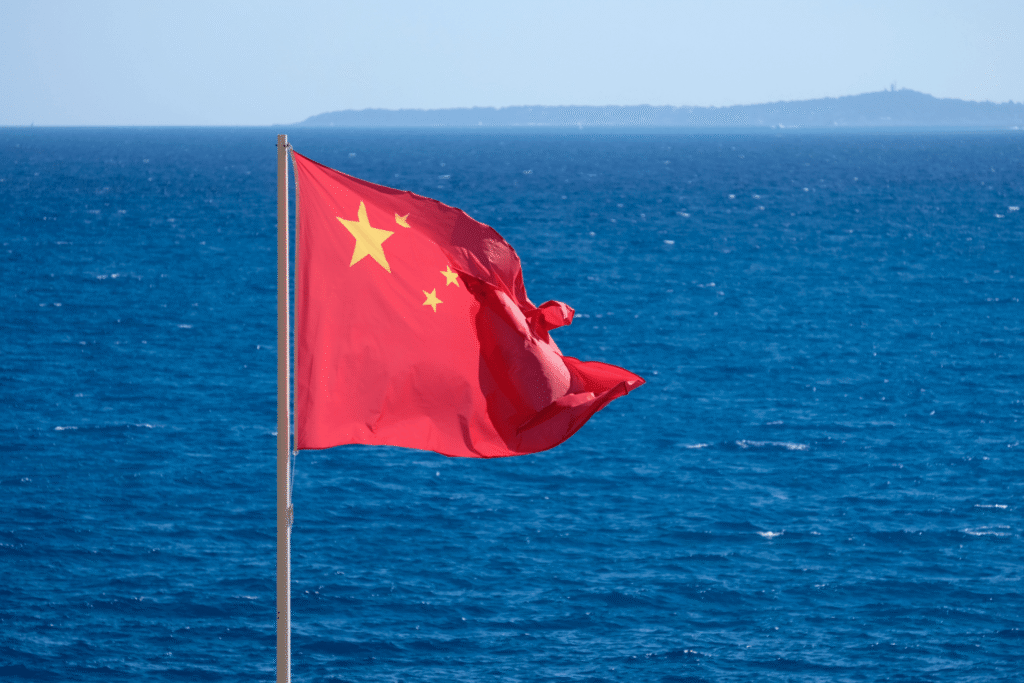
China is currently threatening the United States’ undersea superiority in the Pacific through its development of Extra Large Unmanned Underwater Vehicles (XLUUVs) as part of its broader Transparent Ocean Strategy. The People’s Liberation Army Navy (PLAN) has operationalized or is actively developing at least 5 XLUUV models. China intends to use these unmanned platforms to degrade the United States’ undersea surveillance system and submarine forces in the Pacific through three primary mission sets: Intelligence, Surveillance, and Reconnaissance (ISR) operations, Mine countermeasures (MCM)/Mine-laying operations, and Anti-submarine warfare (ASW). The open-source synthesis and analysis of China’s XLUUV capabilities reveal three key implications for U.S. policymakers:
1. China leads the United States in the development and deployment of XLUUV weapon systems, and the gap is growing.
2. China is the global leader in scaled UUV weaponization.
3. The survival space for U.S. manned and unmanned systems within the First Island Chain is and will continue to shrink.
Research Placemat
Uncrewed and Undersea: China’s XLUUV Fleet and the Contest for Seabed Surveillance
White Paper
Uncrewed and Undersea: China’s XLUUV Fleet and the Contest for Seabed Surveillance
Receive NSPC News & Updates
Click below to join our email list so you can receive news, updates, event notices, and more from UVA’s National Security Initiatives.